Free Local White-Glove Setup & Haul-Away on Orders Over $499Announcement 1 of 2
Explore Payment Options — View Financing DetailsAnnouncement 2 of 2
Most pillows can go in the washing machine — but memory foam never should. Here's the right method for every fill type, plus how to dry them so they don't clump.
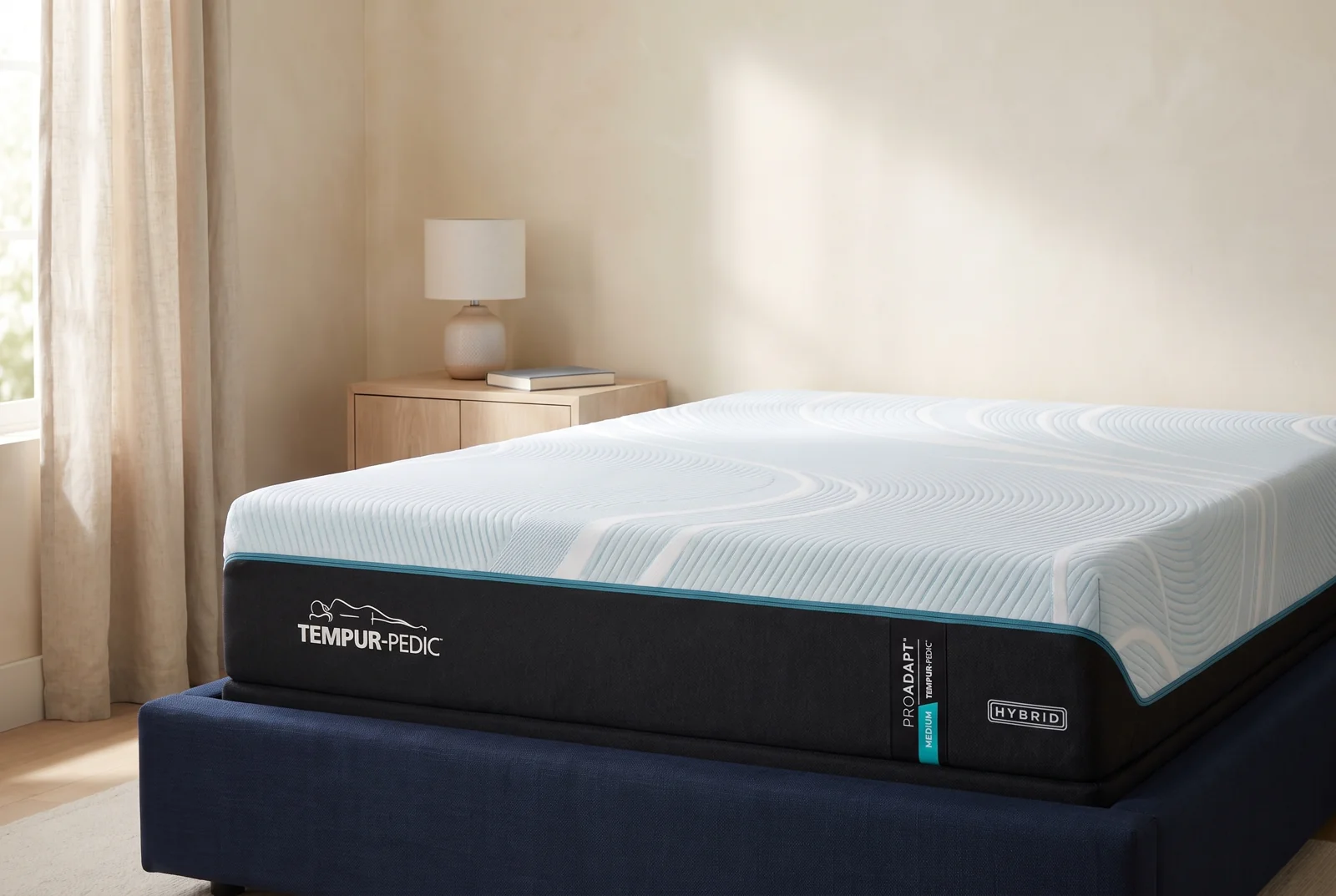
Tempur-Pedic TEMPUR-ProAdapt Medium HybridStyled product scene
Your pillowcase gets washed weekly. The pillow inside it, for most households, gets washed roughly never, and it spends every night absorbing sweat, skin oils and whatever your face products leave behind. Over a couple of years that adds up to a noticeably heavier, yellowed pillow and a friendlier environment for dust mites than anyone wants under their head.
The good news: most pillows are washable, and it takes about ten minutes of actual effort. The one big exception is memory foam, which should never go near a washing machine. Here's the method for each type.
Before anything else, find the tag. It tells you the fill type and whether the manufacturer approves machine washing, and washing a pillow against instructions can void a warranty. If the tag is long gone, the squeeze test usually settles it: down and feather feel light and shift around, polyester feels springy and uniform, and memory foam feels dense and slowly returns to shape.
Down and feather handle water well. They just need gentle handling and very thorough drying.
Tumble dry on low heat with two or three clean dryer balls (or clean tennis balls) to break up clumps as the fill dries. Pull the pillows out every 25 to 30 minutes, fluff them by hand, and put them back in. Expect two to three hours total.
A pillow that feels dry on the outside can still be damp at the core, and damp down develops mildew and a musty smell. When you think it's done, give it another 20 minutes.
Synthetic fills are the easiest of the bunch. Wash two at a time on a gentle cycle in warm water with a small amount of liquid detergent, add an extra rinse, then tumble dry on low with dryer balls. They dry faster than down, usually an hour to ninety minutes.
One caution: high heat can melt or shrink polyester fibers, which permanently ruins loft. Keep the dryer on low or air-dry setting even if it takes longer.
This is the important one. A washing machine will tear memory foam apart. The agitation breaks down the cell structure, and once foam is waterlogged it takes days to dry and often develops mildew inside where you can't see it. The same goes for latex and for solid contoured cervical pillows.
Spot clean instead:
For odor, sprinkle baking soda over the foam, leave it a few hours, and vacuum it off. The same approach works on foam mattress toppers. Our guide to cleaning a mattress topper walks through it in more detail.
Every four to six months for washable pillows is a reasonable target, twice a year at minimum. Sooner if you have allergies, sweat heavily at night, or share the bed with a pet.
Washing more often than that isn't better. Every cycle takes a little life out of the fill, which is part of why pillows wear out. The genuinely effective move is a protective cover under the pillowcase: it catches the oils and moisture before they reach the fill, and washing a zippered protector monthly is far easier than washing the pillow itself.
Washing restores freshness. It does not restore support. If your pillow folds in half and stays folded, if there's a permanent dent where your head goes, or if it's yellowed all the way through, a wash cycle won't bring it back, and sleeping on a collapsed pillow is a common cause of morning neck stiffness. Our guides on when to replace your pillow and choosing the best pillow for neck pain cover what to look for next.
Most down, feather, polyester and down-alternative pillows can be machine washed on a gentle cycle in warm water. Memory foam and latex pillows cannot, because the agitation destroys the foam structure. Always check the care tag first, and wash two pillows at once to keep the drum balanced.
Not in a machine. Memory foam breaks down when agitated and holds water for days, which invites mildew inside the foam. Remove and wash the cover separately, vacuum the foam, spot clean with a barely damp cloth and mild detergent, then air dry completely for at least 24 hours.
Yes. Use warm water, a gentle cycle and about half your usual amount of mild liquid detergent, then run an extra rinse to clear out any leftover soap. Dry on low heat with dryer balls, pausing every half hour to fluff, and keep going until the core is bone dry, because damp down clumps and smells musty.
Treat them like down: gentle cycle, warm water, minimal liquid detergent, extra rinse, extra spin. When drying, check for poking quills afterward, since washing can loosen them, and a pillow protector will keep them from working through the case.
Every four to six months, or at least twice a year. If you have allergies, sweat a lot overnight or let pets on the bed, aim for the shorter end. A washable zippered pillow protector reduces how often the pillow itself needs a full cycle.
If the cover unzips, wash it separately and spot clean the insert. Sealed decorative pillows with foam or batting inserts should be spot cleaned only. Fabric-covered inserts with polyester fill can usually go through a gentle cycle, but check the tag, since decorative trims and embroidery often can't take it.
If you're deep-cleaning the bedroom and the mattress underneath is sagging or over eight years old, that's usually the bigger culprit behind poor sleep. Stop by any of our five LA showrooms, or take our sleep quiz to see what fits how you sleep. Same-day delivery ($100 upgrade, order by 4pm) is available across most of Los Angeles.
Start with a mattress type that suits how you sleep, then compare the feel in person.
Prices for Queen · Choose options for other sizes


Est. $124.84/month for 6 months
Item-price payoff target · excludes taxes and fees.
Synchrony · No interest if paid in full within 6 months. Subject to credit approval.
Interest is charged from the purchase date if not paid in full in time. Minimum monthly payments are required and may not repay the balance in time.
This item price meets the 6-month deferred-interest threshold. We use the longest confirmed period available at this price. Avoiding interest requires paying the promotional balance in full before the deadline. Lender fees can affect total cost; this selection does not establish the lowest total borrowing cost.
This illustration divides the displayed price of $749.00 for one selected item by 6 months, rounding up to the next cent. It is not the lender’s required payment or billing schedule. Check the promotional deadline on your statement and pay the full promotional balance before it ends.
Taxes, delivery, recycling charges and any lender promotional fees are excluded. Fees may add to the total borrowing cost. Additional discounts can change plan eligibility and the amount financed. Confirm the final purchase amount and applicable terms with the store before arranging financing.
Credit approval, applicable account terms and purchase eligibility apply.
How Synchrony deferred interest works
Est. $158.17/month for 6 months
Item-price payoff target · excludes taxes and fees.
Synchrony · No interest if paid in full within 6 months. Subject to credit approval.
Interest is charged from the purchase date if not paid in full in time. Minimum monthly payments are required and may not repay the balance in time.
This item price meets the 6-month deferred-interest threshold. We use the longest confirmed period available at this price. Avoiding interest requires paying the promotional balance in full before the deadline. Lender fees can affect total cost; this selection does not establish the lowest total borrowing cost.
This illustration divides the displayed price of $949.00 for one selected item by 6 months, rounding up to the next cent. It is not the lender’s required payment or billing schedule. Check the promotional deadline on your statement and pay the full promotional balance before it ends.
Taxes, delivery, recycling charges and any lender promotional fees are excluded. Fees may add to the total borrowing cost. Additional discounts can change plan eligibility and the amount financed. Confirm the final purchase amount and applicable terms with the store before arranging financing.
Credit approval, applicable account terms and purchase eligibility apply.
How Synchrony deferred interest works
Est. $146.50/month for 6 months
Item-price payoff target · excludes taxes and fees.
Synchrony · No interest if paid in full within 6 months. Subject to credit approval.
Interest is charged from the purchase date if not paid in full in time. Minimum monthly payments are required and may not repay the balance in time.
This item price meets the 6-month deferred-interest threshold. We use the longest confirmed period available at this price. Avoiding interest requires paying the promotional balance in full before the deadline. Lender fees can affect total cost; this selection does not establish the lowest total borrowing cost.
This illustration divides the displayed price of $879.00 for one selected item by 6 months, rounding up to the next cent. It is not the lender’s required payment or billing schedule. Check the promotional deadline on your statement and pay the full promotional balance before it ends.
Taxes, delivery, recycling charges and any lender promotional fees are excluded. Fees may add to the total borrowing cost. Additional discounts can change plan eligibility and the amount financed. Confirm the final purchase amount and applicable terms with the store before arranging financing.
Credit approval, applicable account terms and purchase eligibility apply.
How Synchrony deferred interest works
Est. $91.63/month for 24 months
Item-price payoff target · excludes taxes and fees.
Synchrony · No interest if paid in full within 24 months. Subject to credit approval.
Interest is charged from the purchase date if not paid in full in time. Minimum monthly payments are required and may not repay the balance in time.
This item price meets the 24-month deferred-interest threshold. We use the longest confirmed period available at this price. Avoiding interest requires paying the promotional balance in full before the deadline. Lender fees can affect total cost; this selection does not establish the lowest total borrowing cost.
This illustration divides the displayed price of $2,199.00 for one selected item by 24 months, rounding up to the next cent. It is not the lender’s required payment or billing schedule. Check the promotional deadline on your statement and pay the full promotional balance before it ends.
Taxes, delivery, recycling charges and any lender promotional fees are excluded. Fees may add to the total borrowing cost. Additional discounts can change plan eligibility and the amount financed. Confirm the final purchase amount and applicable terms with the store before arranging financing.
Credit approval, applicable account terms and purchase eligibility apply.
How Synchrony deferred interest works
Est. $92.42/month for 12 months
Item-price payoff target · excludes taxes and fees.
Synchrony · No interest if paid in full within 12 months. Subject to credit approval.
Interest is charged from the purchase date if not paid in full in time. Minimum monthly payments are required and may not repay the balance in time.
This item price meets the 12-month deferred-interest threshold. We use the longest confirmed period available at this price. Avoiding interest requires paying the promotional balance in full before the deadline. Lender fees can affect total cost; this selection does not establish the lowest total borrowing cost.
This illustration divides the displayed price of $1,109.00 for one selected item by 12 months, rounding up to the next cent. It is not the lender’s required payment or billing schedule. Check the promotional deadline on your statement and pay the full promotional balance before it ends.
Taxes, delivery, recycling charges and any lender promotional fees are excluded. Fees may add to the total borrowing cost. Additional discounts can change plan eligibility and the amount financed. Confirm the final purchase amount and applicable terms with the store before arranging financing.
Credit approval, applicable account terms and purchase eligibility apply.
How Synchrony deferred interest worksBuying guides and sleep advice, no email signup required.